What you’ll see
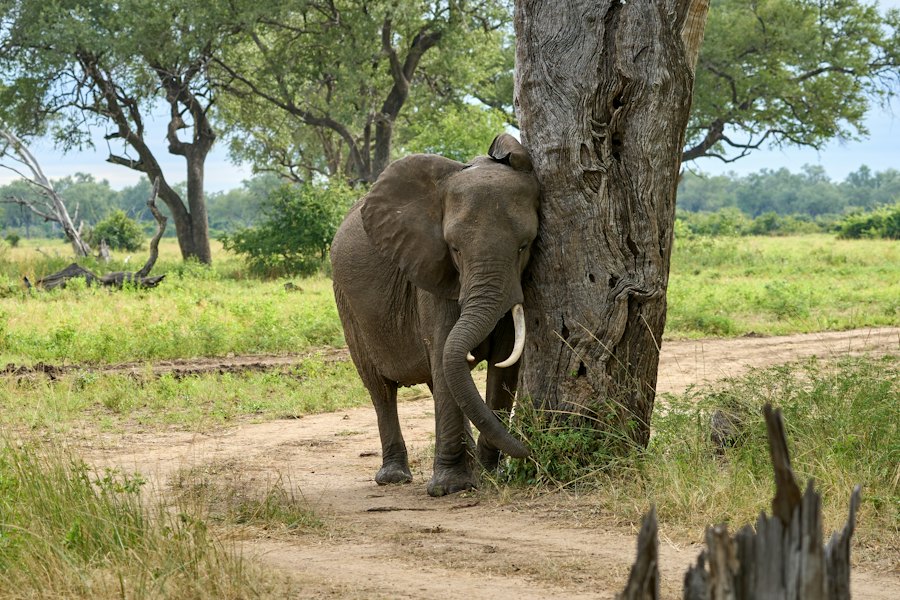
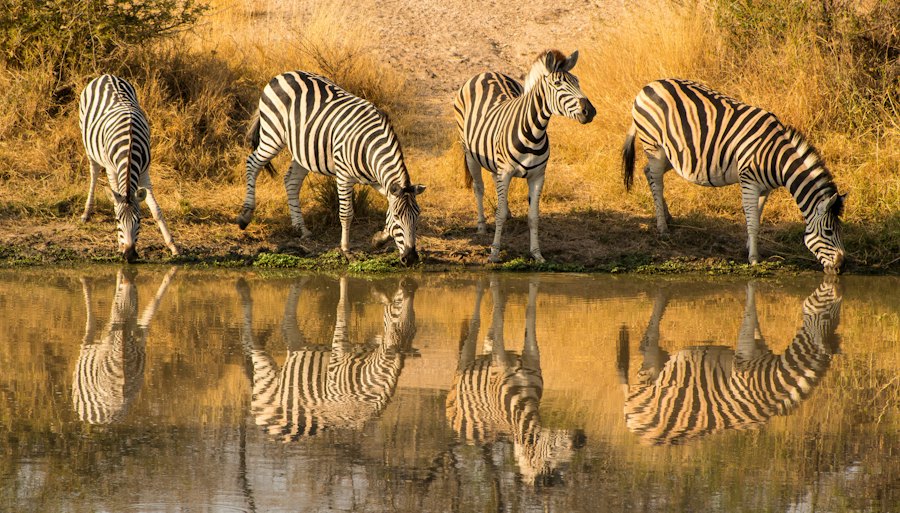
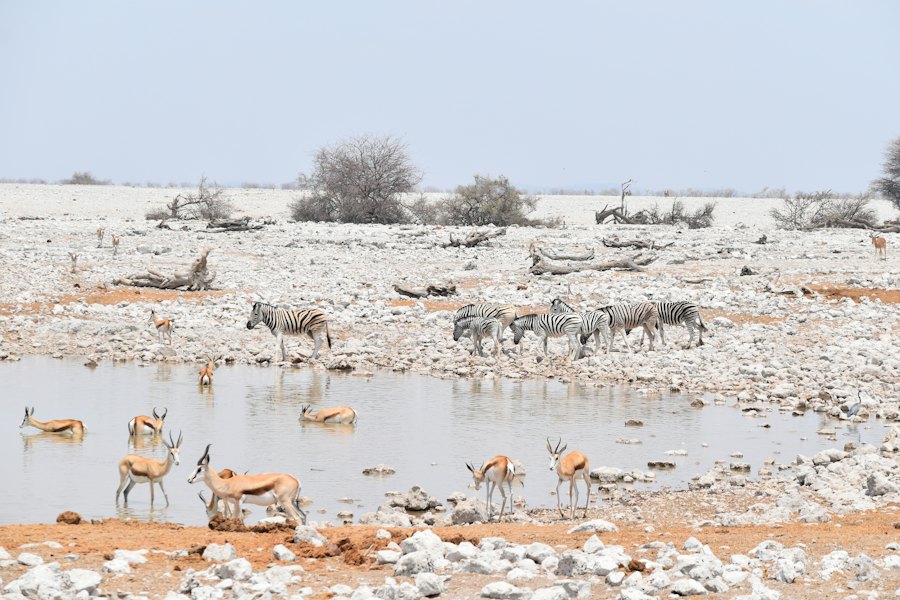
- Elephant, zebra, springbok and gemsbok at the waterholes
- Black rhino, especially at the floodlit camp waterholes at night
- Lion and cheetah around the pan edge
- The Etosha Pan itself, white and shimmering in the dry season
- Flamingos on the pan when it holds water after good rains
When to go
The dry season, about May to October, is best: animals come to the waterholes and you can sit and wait. The rains from November to April bring newborn animals and birds but spread the game out.
Getting there
Etosha is about four to five hours’ drive from Windhoek on good tar roads. The main roads in the park are gravel and fine for a normal car in the dry season.
Park fees
From 1 April 2026 the daily fee for a foreign adult in Etosha is N$280, made up of entrance and conservation fees, plus a vehicle fee of N$60 a day for a car with up to 10 seats.
Source: Namibian Government Gazette, park fee notice for 2026. Fees change, so confirm the current amount before you travel.
Where to stay
Namibia Wildlife Resorts runs the camps inside the park, several with floodlit waterholes. Private lodges and reserves border the park outside the gates.
These listings were added by Explore Safari from public information and have not been claimed yet. Run a lodge or safari company here? List your business for free.